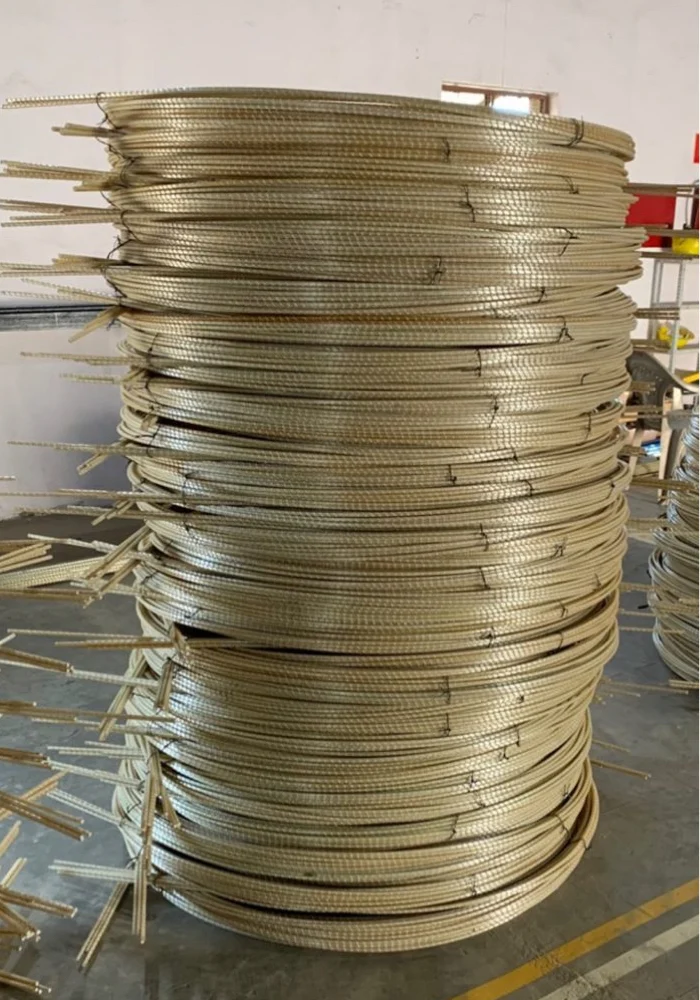
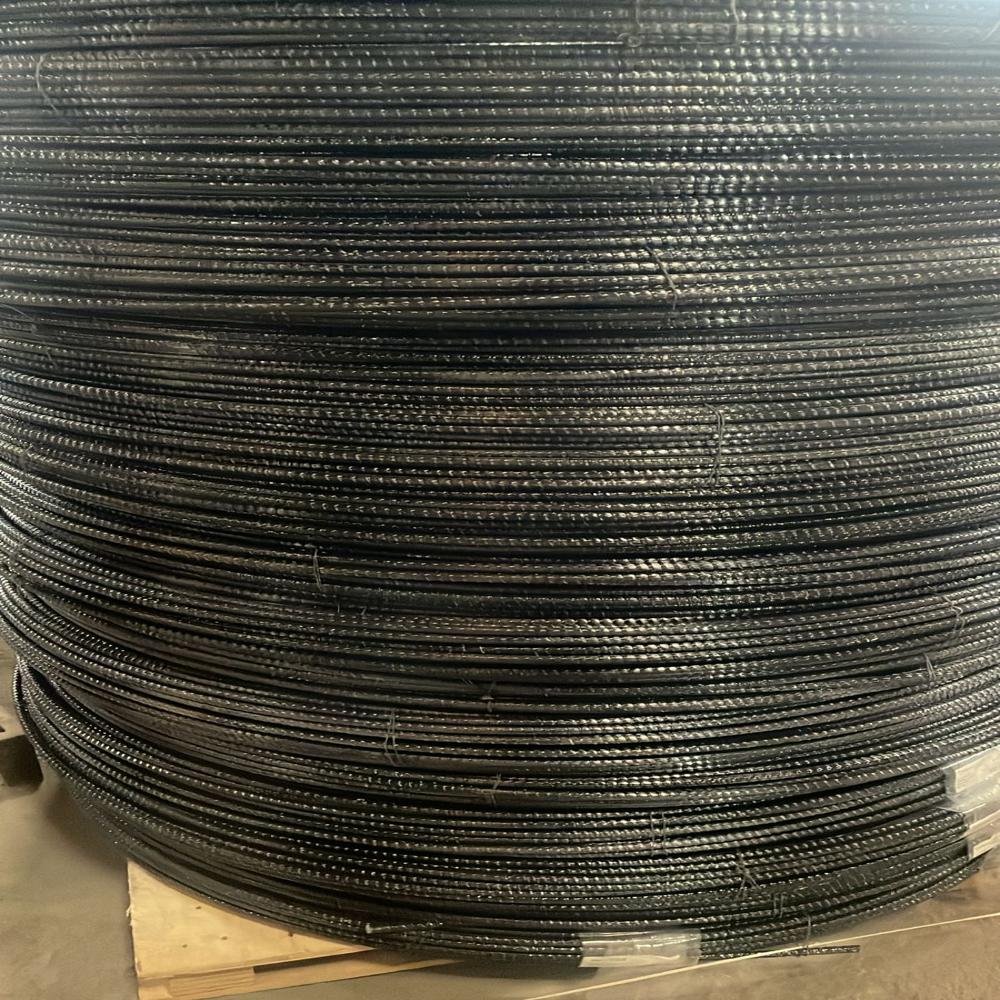
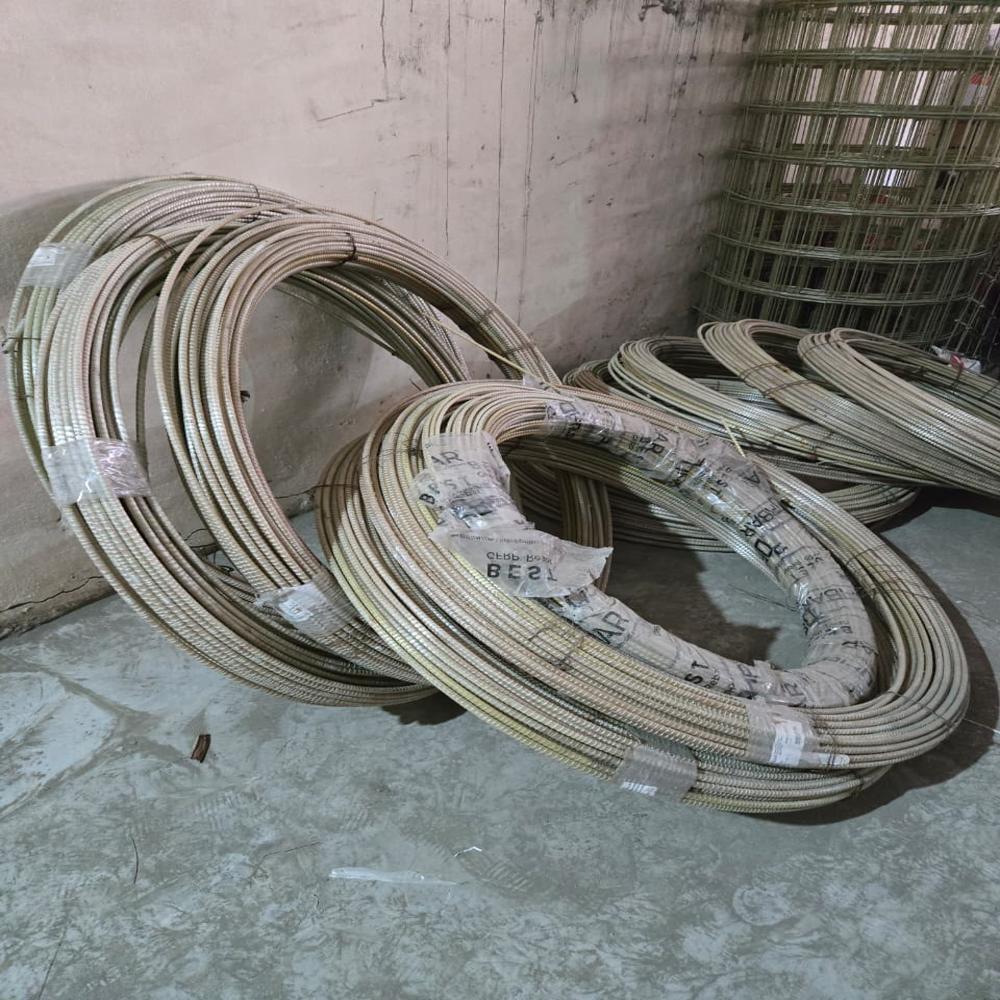
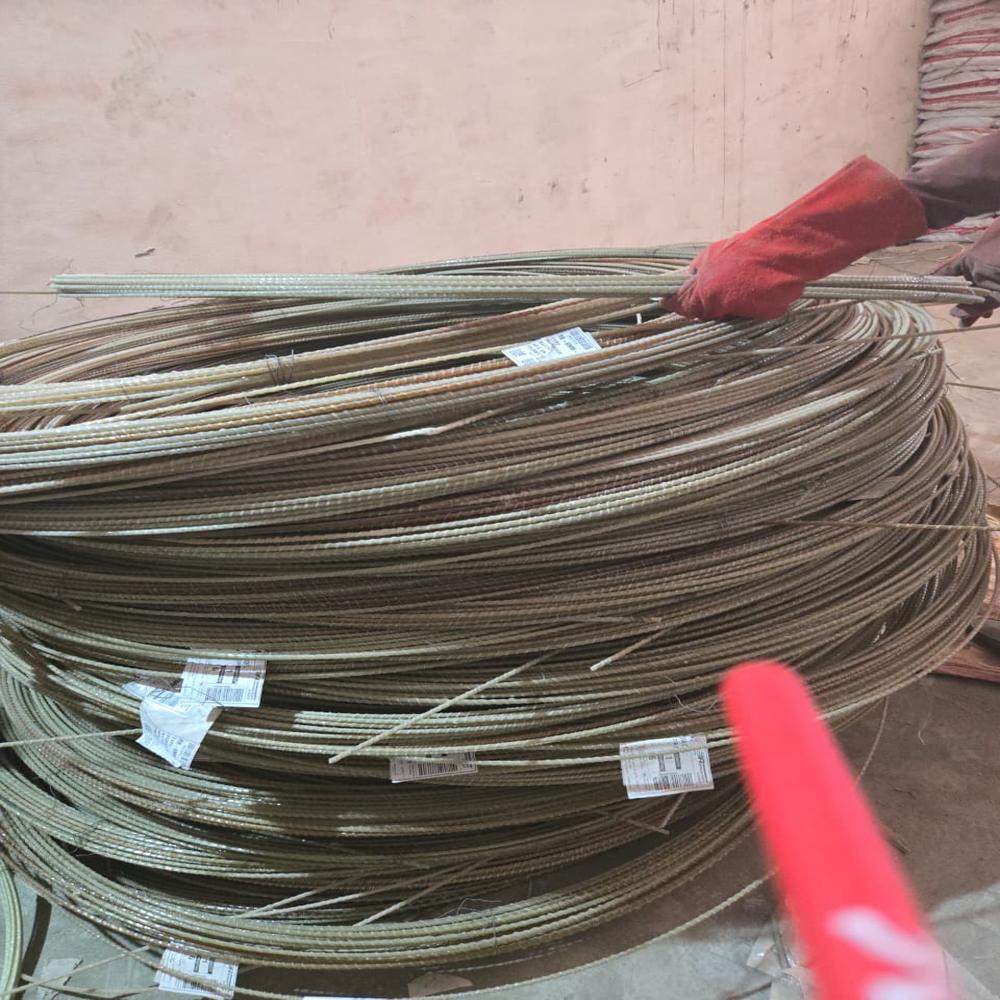
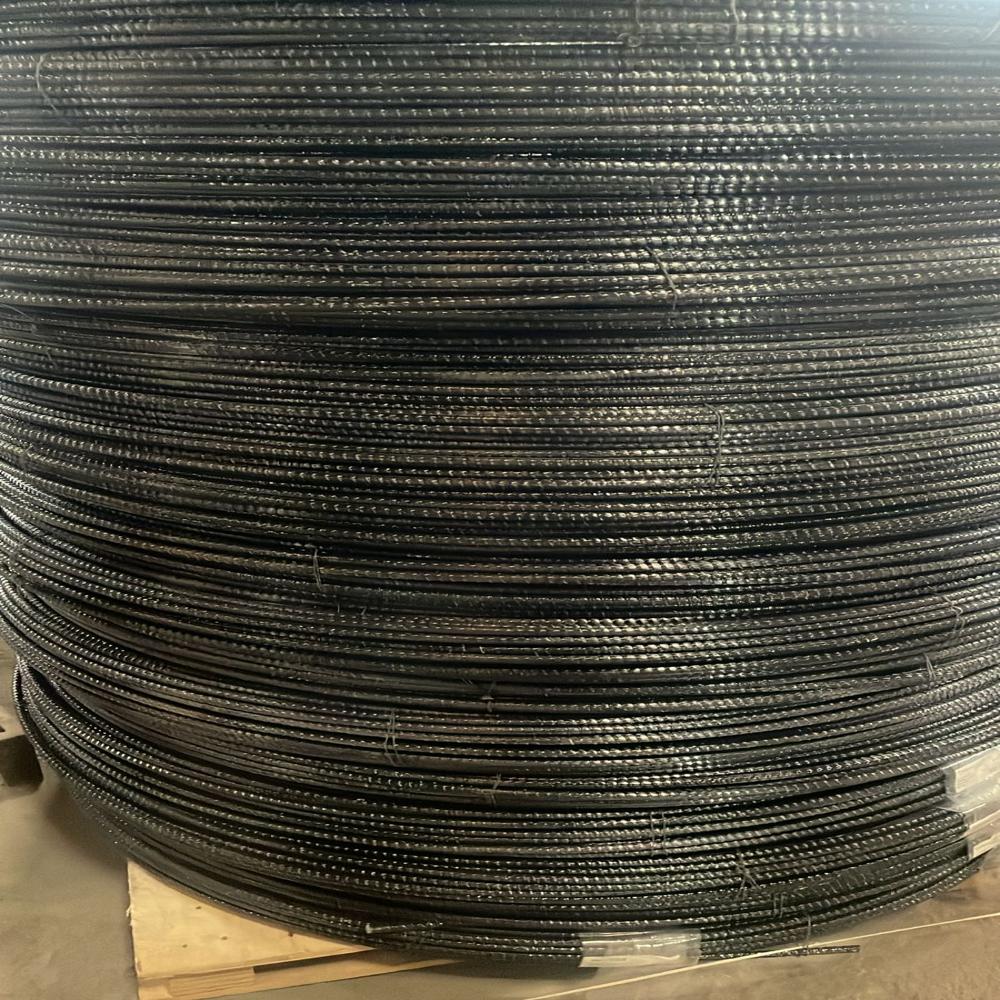
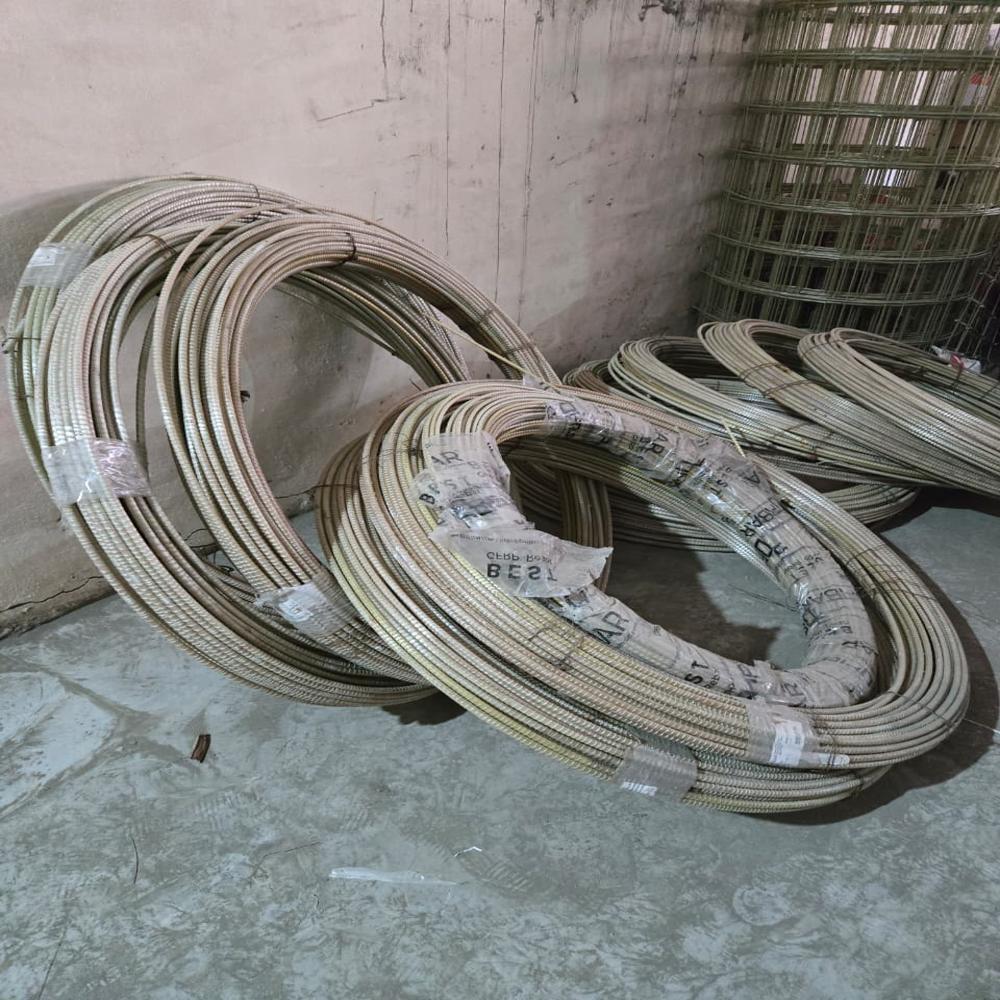
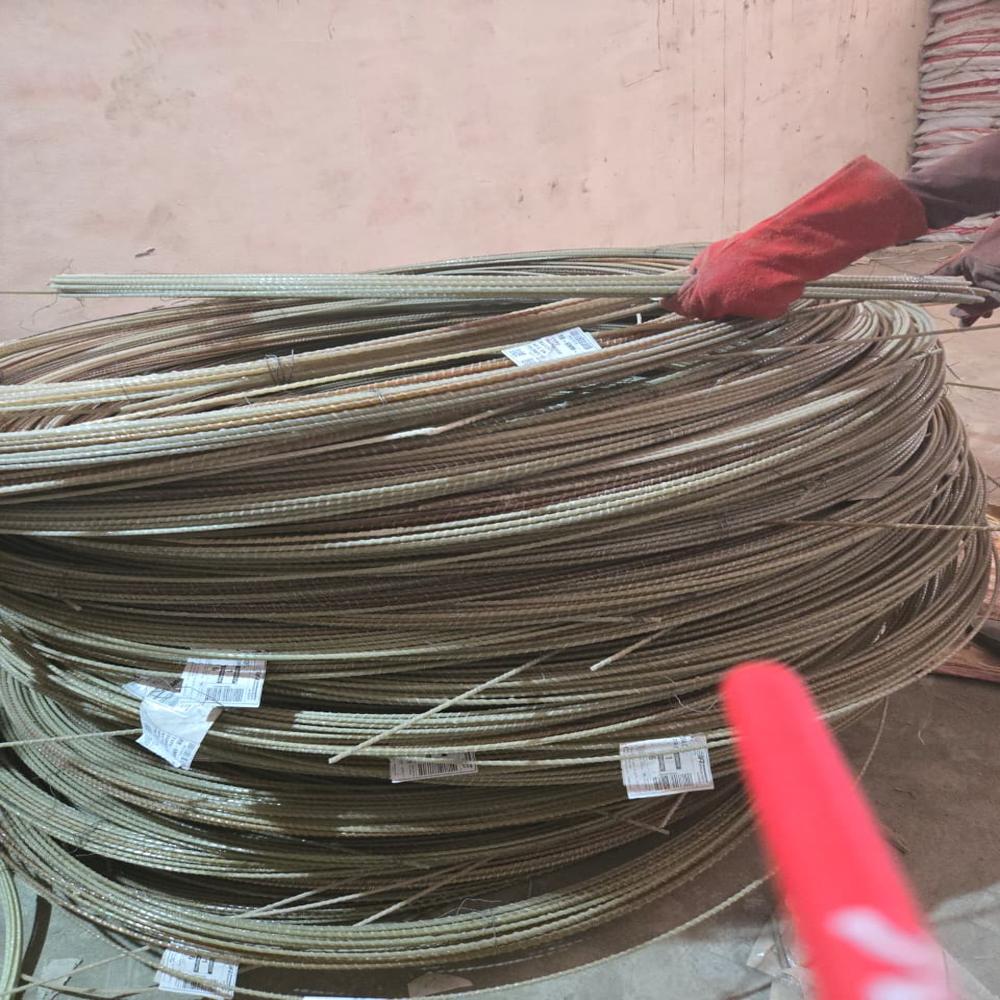
Glass Fiber Reinforced Polymer (GFRP) Rebar is a high-strength, corrosion-resistant alternative to traditional steel reinforcement made from high-purity glass fibers embedded in a polymer resin matrix.
Why Choose GFRP Rebar?
Compared to standard steel, GFRP rebar offers significant structural and logistical advantages:
| Feature |
GFRP Rebar |
Steel Rebar |
| Corrosion Resistance |
100% rustproof; resistant to salts, acids, and alkalis |
Highly susceptible to rust and moisture degradation |
| Weight |
4x lighter than steel, reducing transport and labor costs |
Heavy; requires more handling effort and machinery |
| Tensile Strength |
Up to 2x higher tensile strength than grade 60 steel |
Standard structural tensile limits |
| Conductivity |
Non-conductive and 100% non-magnetic |
Highly conductive; interferes with magnetic fields |
| Lifespan |
100+ years with virtually zero maintenance |
Requires ongoing repair or cathodic protection |
Product Specifications & Options
- Diameter Range: Available from 4 mm to 32 mm to suit varied structural loads.
- Surface Profiles: Sand-coated, ribbed, or helical-wrapped to ensure a superior mechanical bond with concrete.
- Modulus of Elasticity: Approximately 4060 GPa (lower than steel, requiring specific engineering design consideration for deflection).
Best Applications
- Marine Structures: Seawalls, docks, piers, and coastal foundations exposed to saltwater.
- Infrastructure: Bridge decks, highway barriers, toll booths, and continuously reinforced concrete pavements (CRCP).
- High-MRI/Sensitive Zones: Hospital MRI rooms, airport runways, and electronics labs where magnetic interference must be avoided.
- Chemical & Water Plants: Wastewater treatment facilities and chemical storage areas prone to harsh chemical exposure.




 Send Inquiry


 Send Inquiry
 Send Inquiry
 Send SMS
