About Dowel Bar Sleeve 32 X 300 Mm
Dowel Bar Sleeve:
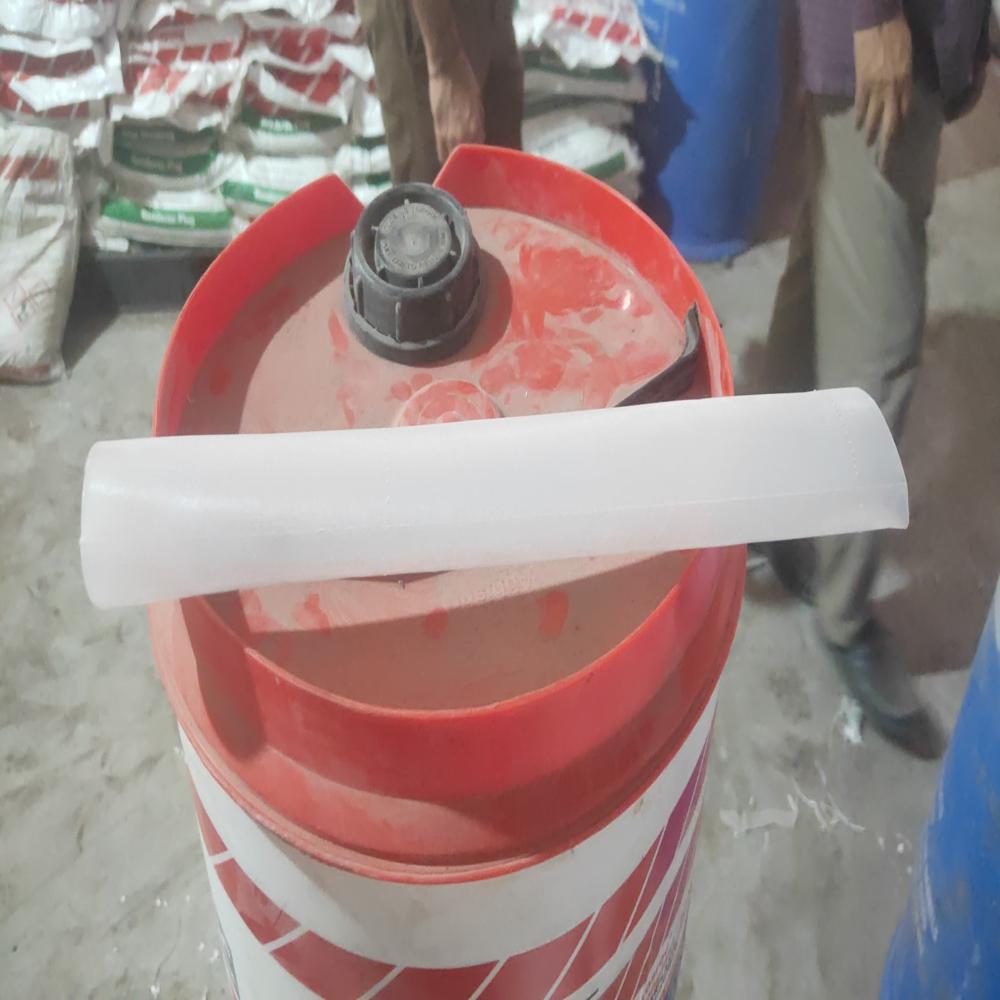
A Dowel Bar Sleeve, specifically 32 x 300 mm, is used in concrete road construction to facilitate load transfer across joints while allowing for expansion and contraction of the concrete slabs. These sleeves, typically made of PVC or PP, are placed over dowel bars to prevent bonding and allow for movement.
Key functions and uses:
- Load Transfer: Dowel bars, embedded in concrete slabs and encased in the sleeve, transfer loads from one slab to another without restricting horizontal movement.
- Joint Movement: The sleeve allows the concrete slabs to expand and contract due to temperature changes or other factors, preventing cracks and maintaining structural integrity.
- Debonding: The sleeve prevents the dowel bar from bonding with the surrounding concrete, ensuring that it can move freely within the joint.
- Ease of Installation: Sleeves are designed for easy and quick installation, saving time and labor compared to other methods like debonding paints or greases.
- Durability: Made from durable, flexible plastic, these sleeves can withstand heavy loads and varying environmental conditions.
- Various Applications: Dowel bar sleeves are used in highways, industrial flooring, airfield pavements, and other concrete structures where joint movement is anticipated.
- Standard Sizes: Common sizes include M32x300 mm and M36x300 mm.
Reliable Protection for Concrete JointsEngineered from durable non-metallic materials, this dowel bar sleeve provides a superior shield against corrosion and physical damage. Its precise cylindrical shape and closed-end design ensure comprehensive coverage for dowel bars, supporting long-lasting performance in concrete slab and road applications.
Effortless Installation ProcessThe slip-on design of the Dowel Bar Sleeve allows for quick and easy placement over dowel bars at construction sites. Its lightweight build and smooth finish enable installers to efficiently position sleeves across multiple joints, saving valuable time during construction operations.
Optimal Performance in All ConditionsWith excellent temperature and corrosion resistance, this sleeve remains effective across normal construction environments. Its industrial-grade material withstands exposure to moisture and chemicals, ensuring consistent protection and expansion/contraction functionality of concrete structures.
FAQ's of Dowel Bar Sleeve 32 X 300 Mm:
Q: How is the Dowel Bar Sleeve 32 X 300 mm installed during construction?
A: The sleeve is designed for easy slip-on installation over dowel bars. Simply slide it onto the bar at the joint location before pouring concrete, ensuring the sleeve fully covers the bar to facilitate slab movement.
Q: What are the primary benefits of using this dowel bar sleeve?
A: The sleeve protects dowel bars from corrosion, enables smooth expansion and contraction of concrete slabs, and prevents bonding between bars and concrete. Its high durability, uniform thickness, and excellent resistance to chemicals and moisture add to its functional advantages.
Q: When should the Dowel Bar Sleeve be used in a construction project?
A: It should be used at expansion or contraction joints in concrete slabs and roads, during initial construction before concrete placement, to allow proper movement and prevent structural cracking.
Q: Where can this sleeve be applied in construction works?
A: This product is primarily used in roadways, industrial floors, airport runways, and other large concrete slabs where dowel bars are required to allow controlled movement at joints.
Q: What process should be followed for handling and packaging the sleeve?
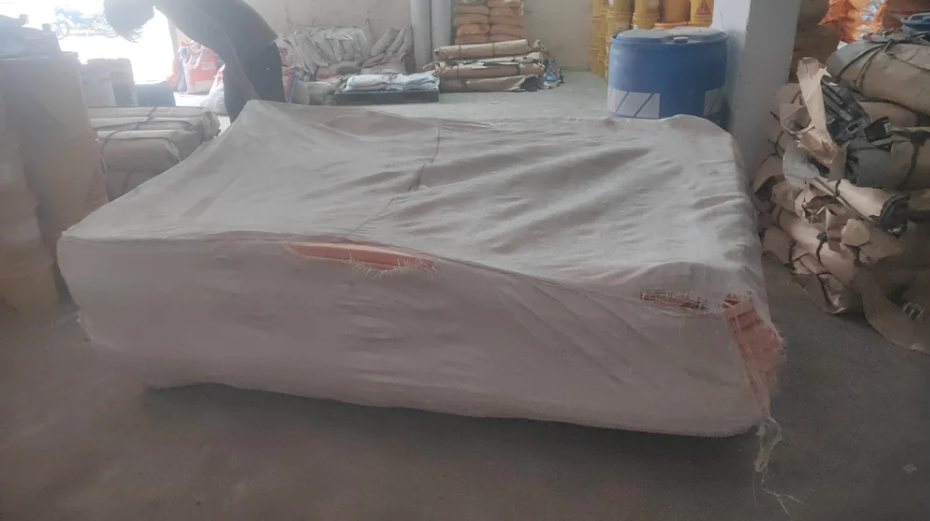
A: Sleeves are supplied in bundles or bags, packed as per supplier guidelines. Handle them with care to maintain the integrity of the plastic material and avoid deformation before installation.
Q: What makes this dowel bar sleeve suitable for harsh construction environments?
A: The use of high-quality plastic/polyethylene/polypropylene makes it corrosion-resistant, durable, and capable of withstanding typical construction site temperatures and minor chemical exposures.





 Send Inquiry

 Send Inquiry
 Send Inquiry
 Send SMS